Eating a balanced diet of both whole and enriched grains is recommended by nutrition experts in order to ensure a diet rich in the essential vitamins, minerals and phytonutrients that promote health and help reduce risk of chronic disease. Pasta is a great way to incorporate these whole or enriched grains into your diet.
The MyPlate icon from the US Department of Agriculture highlights the important role that carbohydrates such as pasta play in building nutritious meals, and encourages Americans to eat grains at every meal.

Pasta Fits your healthy eating!
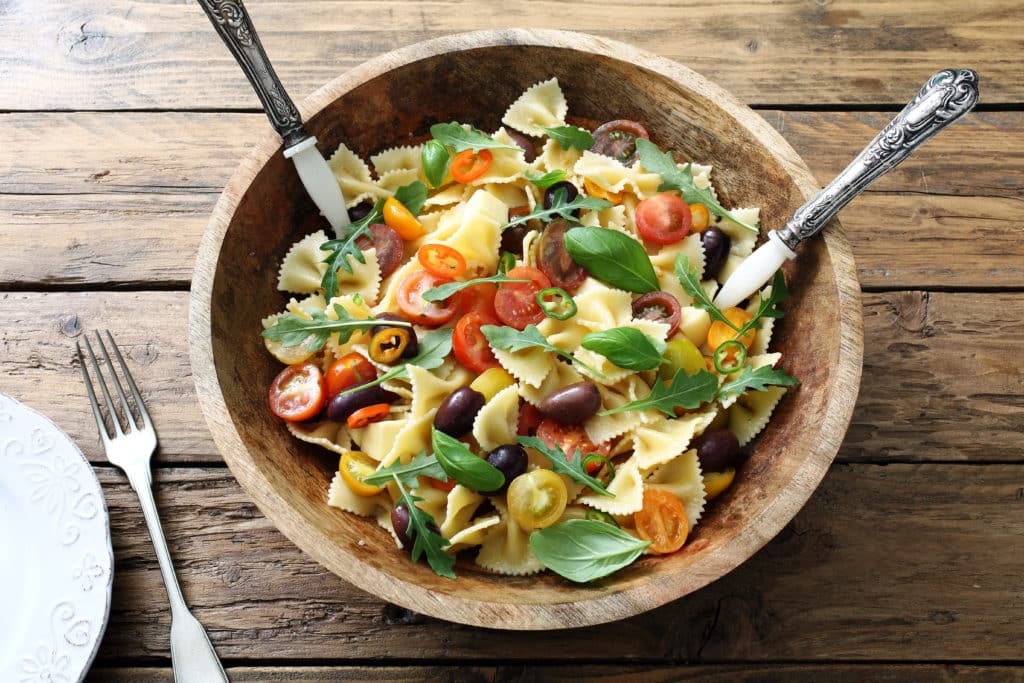
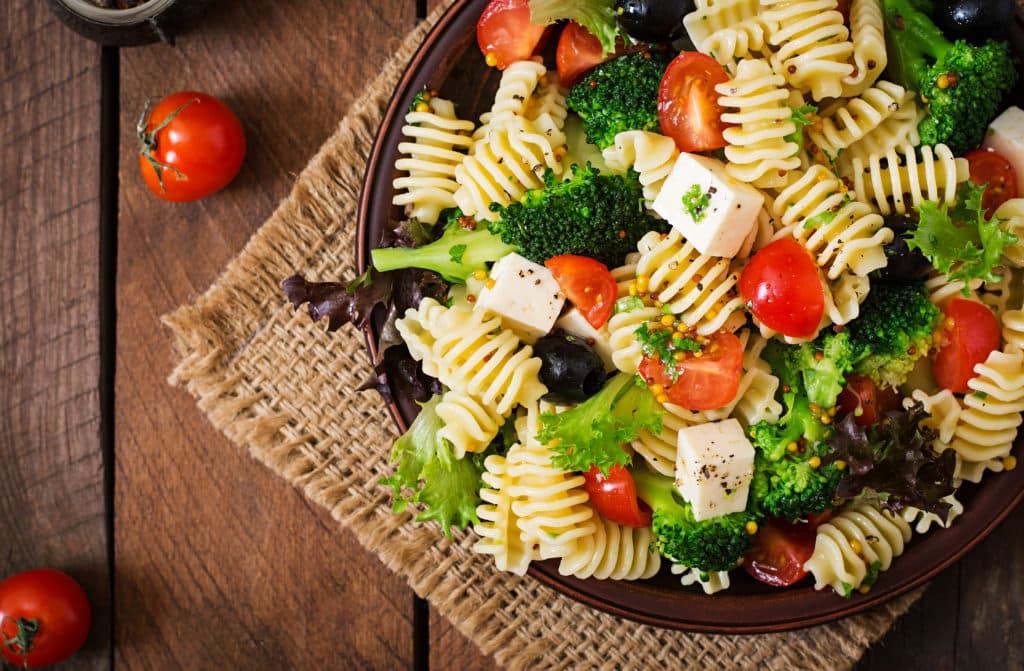
Both whole wheat pasta and enriched varieties provide a perfect foundation for healthy, nutritious and satisfying meals. Pair pasta with a variety of nutrient-dense foods and create meals that you can feel good about serving your family. “Pasta partners” full of nutrients include:
✓ Fiber-filled vegetables and beans
✓ Heart-healthy fish and vegetable oils
✓ Antioxidant-rich tomato sauce
✓ Protein-packed cheese, poultry and lean meats.
Pasta Fits your diet!
Watching calories? Creating lower-calorie pasta meals couldn’t be easier. To help lower the calorie content of your favorite pasta meal, consider swapping out 1/4 to 1/2 of the pasta called for in the recipe for the same amount of beans or veggies. For example, if a recipe calls for 2 cups of cooked pasta, replace one cup of the pasta with white kidney beans or steamed broccoli or a combination of the two. You’ll subtract total calories per serving and add filling fiber!
Other healthy facts about pasta nutrition:
- Carbohydrates like pasta provide glucose, the crucial fuel for your brain and muscles. Pasta is an excellent source of complex carbohydrates, which provide a slow release of energy. Unlike simple sugars that offer a quick, yet fleeting boost of energy, pasta helps sustain energy.
- Pasta is very low in sodium and cholesterol-free. Per cup, enriched varieties provide a good source of several essential nutrients, including iron and several B-vitamins. Whole wheat pasta can provide up to 25% of daily fiber requirements in every one-cup portion.
- Enriched pasta is fortified with folic acid – essential for women of child-bearing age. FDA regulations require enriched grain products to contain this essential vitamin. A serving of dry pasta supplies the equivalent of roughly 100 micrograms of folic acid, or 25% of the recommended daily intake. Read more about the importance of folic acid here.
- Whole grain pasta offers an additional boost of fiber, disease-fighting antioxidants and important nutrients like magnesium and vitamin E.
- Pasta is part of a well-balanced diet. Current dietary guidance calls for up to 65% of daily calories to come from carbohydrates.
- It’s a fact: Reducing calories, not carbohydrates, helps you lose weight. Studies show there are no significant differences in weight loss over the long-term between low-carbohydrate diets and those considered “high” carbohydrate when dieters achieved similar calorie reductions.
- Pasta has a low Glycemic Index (GI) so it does not cause sugar in the blood to rise quickly. The GI measures how rapidly a carbohydrate triggers a rise in blood sugar – the higher the number, the greater the blood sugar response.